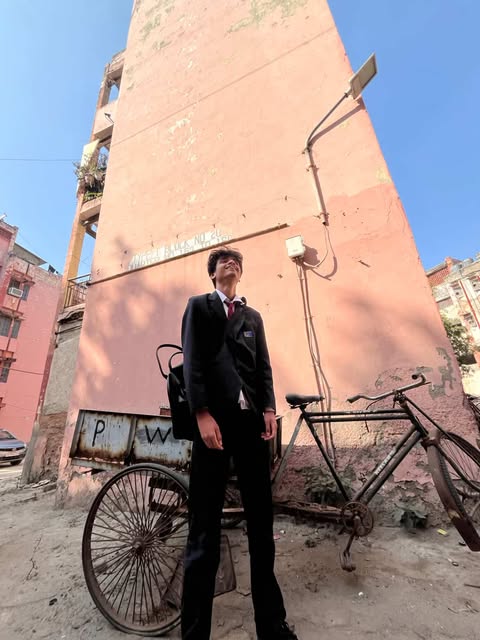
Tirare Did Not Begin With A Business Plan.
It began with a question.
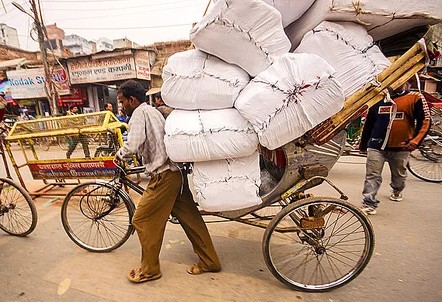
Across Indian cities, cargo tricycles move vegetables, water containers, construction materials, gas cylinders and countless other essentials.
Most people see the vehicle.
Very few notice the person pulling it.
The mobility industry has spent years building faster vehicles, larger batteries and more sophisticated electronics.
Yet millions of existing utility vehicles remain dependent on physical labour for propulsion.
Tirare began as an attempt to understand why.
Before Technology, There Is Reality.
Across India, cargo tricycles, cycle-rickshaws and utility vehicles continue moving goods every day.
Most discussions about electrification begin with vehicles. Tirare began with operators.

The Vehicle Was Never The Problem.
One afternoon, a cargo tricycle was still moving goods despite a broken pedal. The vehicle was no longer functioning as intended. The rider continued working anyway. Not because the vehicle was reliable. Because stopping work carried a greater cost than operating a damaged machine.
What If Everyone Is Starting In The Wrong Place?
Most electrification projects begin with a new vehicle.
New chassis. New systems. New financing. New maintenance.
Good Engineering Begins With What Cannot Be Changed.
Tirare was not designed by selecting a motor, battery or drivetrain. It was designed by identifying the realities that any practical solution would have to obey.
Mechanical Rider Intent Interface
Most electric assistance systems ask a simple question:
How do we measure rider effort electronically?
Tirare asks a different question.
What if rider intent could be communicated mechanically before it is ever measured electronically?
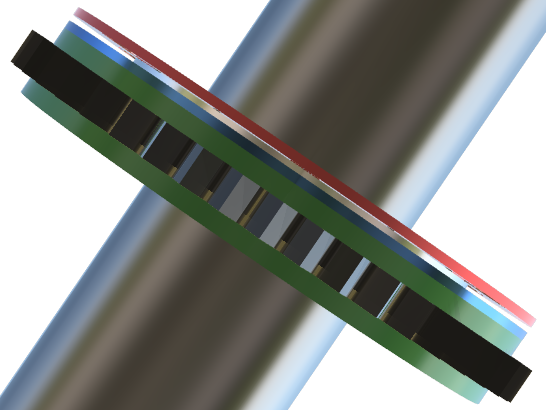
The Architecture Is Not The Motor
Most electrification projects begin with hardware.
Motor selection. Battery sizing. Controller tuning.
Tirare begins one layer higher.
Before deciding how power should be delivered, the architecture first defines how human effort, machine assistance and vehicle behaviour should relate to one another.
▶ Animation showing Tirare's assistive drivetrain architecture, where human effort and electric assistance contribute torque simultaneously.
How Tirare Works
Conventional electrification attempts to replace human effort.
Tirare amplifies it.
The system begins with the rider, not the motor.
Every Architecture Solves A Different Problem
The current Tirare platform did not emerge from a single idea.
It emerged through a process of discovering which constraints actually mattered and rejecting designs that optimized for the wrong ones.
Interactive Engineering Model • Drag to explore
Interactive Engineering Model • Drag to explore
Interactive Engineering Model • Drag to explore
Interactive Engineering Model • Drag to explore
Ideas Are Cheap.
Validation Is Not.
Tirare is not a concept created in isolation.
The project has been evaluated through grants, engineering reviews, innovation programs and external technical discussions.


The Road Ahead
The architecture exists. The engineering philosophy exists. The next phase is proving the system in the physical world.
Tirare Was Never About A Cargo Tricycle.
Cargo tricycles were simply where the problem became impossible to ignore.